
Welcome to the future of home cleaning. If you thought robot vacuums were already impressive, the advancements hitting the market in 2026 will make older models look like mere toys. At YourVacuumSucks.com, we are dedicated to bringing you the brutal truth about vacuum cleaners. Today, we're diving deep into the future of AI vacuum cleaning, exploring the latest technology trends, market growth, and what you need to know before buying your next smart cleaning companion.
The Evolution of AI in Robot Vacuums
Artificial Intelligence (AI) is no longer just a buzzword; it is the core engine driving the next generation of robot vacuums. In 2026, these devices have transitioned from simple automated sweepers to intelligent home appliances capable of making real-time decisions.
Advanced Navigation and Obstacle Avoidance
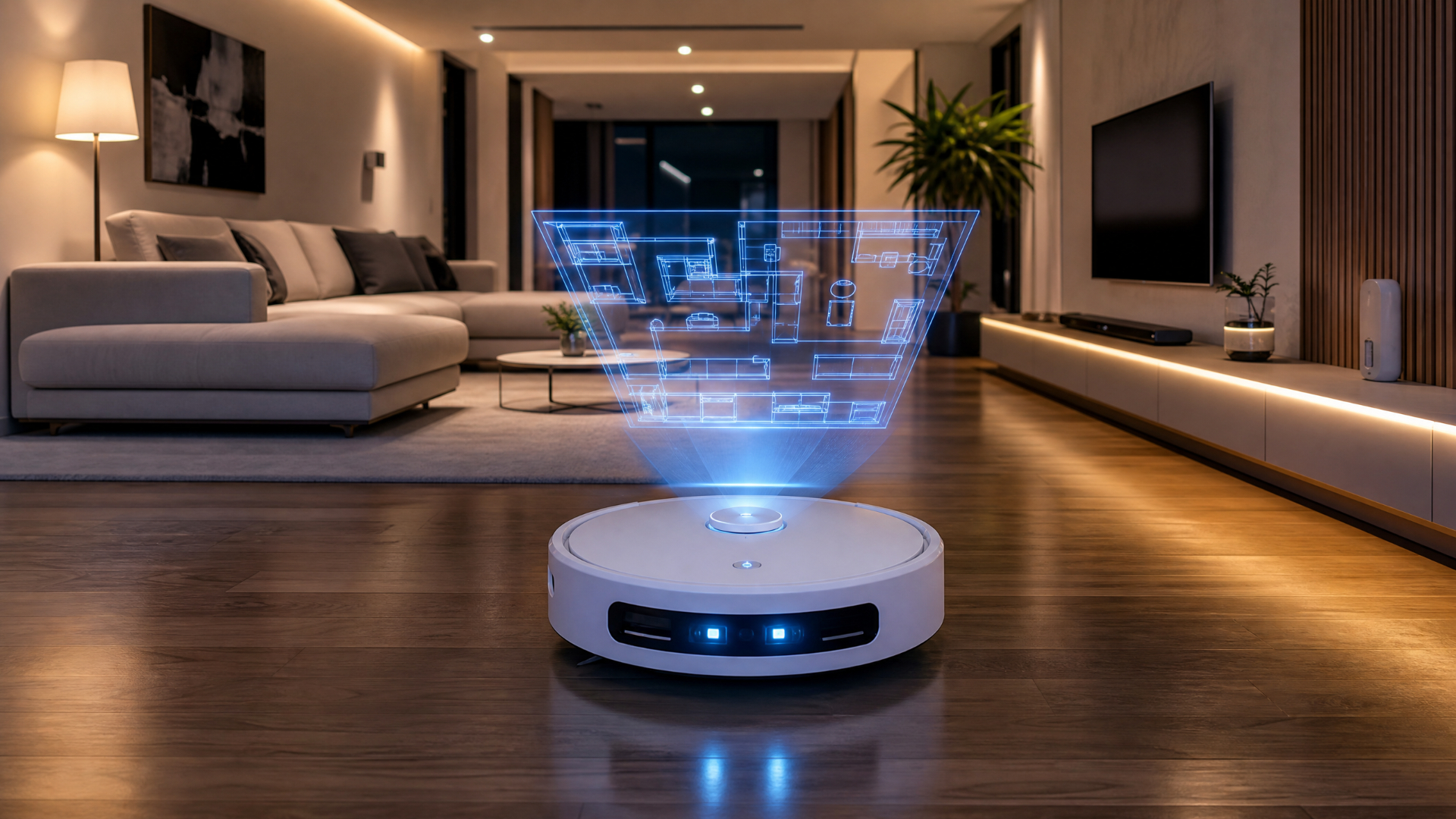
The days of your robot vacuum getting stuck on a stray sock or tangled in charging cables are ending. Modern AI-driven mapping enables these devices to see, understand, and adapt to their environment with human-like precision. Using advanced RGB cameras, 3D LiDAR, and structured light sensors, top-tier models can identify over 200 different household objects.
These systems construct intricate 3D multi-floor maps in minutes, optimizing cleaning routes to reduce overlap and missed spots. The AI path optimization factors in room types, furniture layouts, and even learns your home's unique characteristics to clean smarter every time.
Stair-Climbing Technology: The Holy Grail of Robot Vacuums
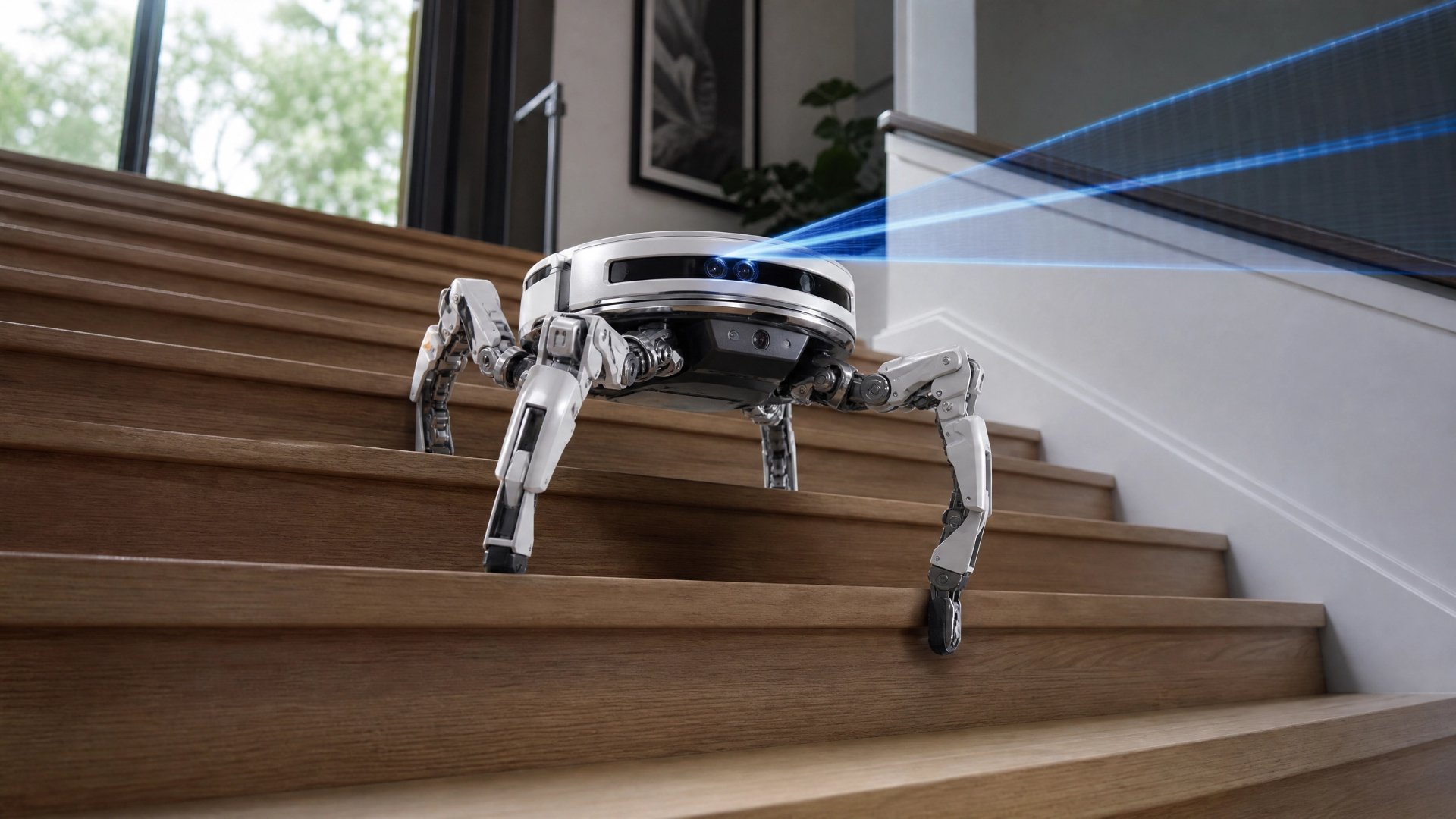
Perhaps the most exciting breakthrough in recent years is the introduction of stair-climbing capabilities. For years, multi-level homes required multiple robots or manual carrying. However, innovations like the bionic QuadTrack technology and adaptive stair-climbing modules have changed the game.
Robots equipped with independently articulated robotic legs can now keep their body level while traveling over uneven surfaces and actively climb and clean stairs. This technology, demonstrated at major tech shows like CES 2026, represents a massive leap forward in whole-home autonomous cleaning.
Enhanced Cleaning Performance
While navigation is crucial, a vacuum's primary job is to clean. The future of AI vacuum cleaning brings unprecedented power and efficiency.
Unmatched Suction and Mopping
Vacuum power has reached staggering new heights, with some flagship models delivering up to 30,000 Pascals of suction. This immense power is paired with advanced brush systems designed to handle pet hair and debris without tangling.
Mopping technology has also seen significant upgrades. New models feature roller mop systems that spray clean water, scrub at high speeds, and collect dirty water in onboard tanks, minimizing residue. Additionally, deep-clean features use infrared stain detectors to spray water ahead of the robot, breaking down dried messes before the mop even reaches them.
Market Growth and Consumer Trends
The robotic vacuum cleaner market is experiencing explosive growth, driven by these technological advancements and increasing consumer demand for automated home solutions.
Skyrocketing Market Size
The global robotic vacuum cleaner market is projected to reach an astonishing $21.66 billion by 2030, growing at a Compound Annual Growth Rate (CAGR) of 14.3%. This surge is fueled by the rising adoption of smart home devices and the continuous integration of AI and machine learning technologies.
| Market Metric | 2026 Estimate | 2030/2031 Projection | CAGR |
|---|---|---|---|
| Global Market Size | ~$7.05 – $10.00 Billion | ~$13.29 – $21.66 Billion | 13.5% – 14.3% |
Data compiled from industry market research reports.
Sustainability in Design
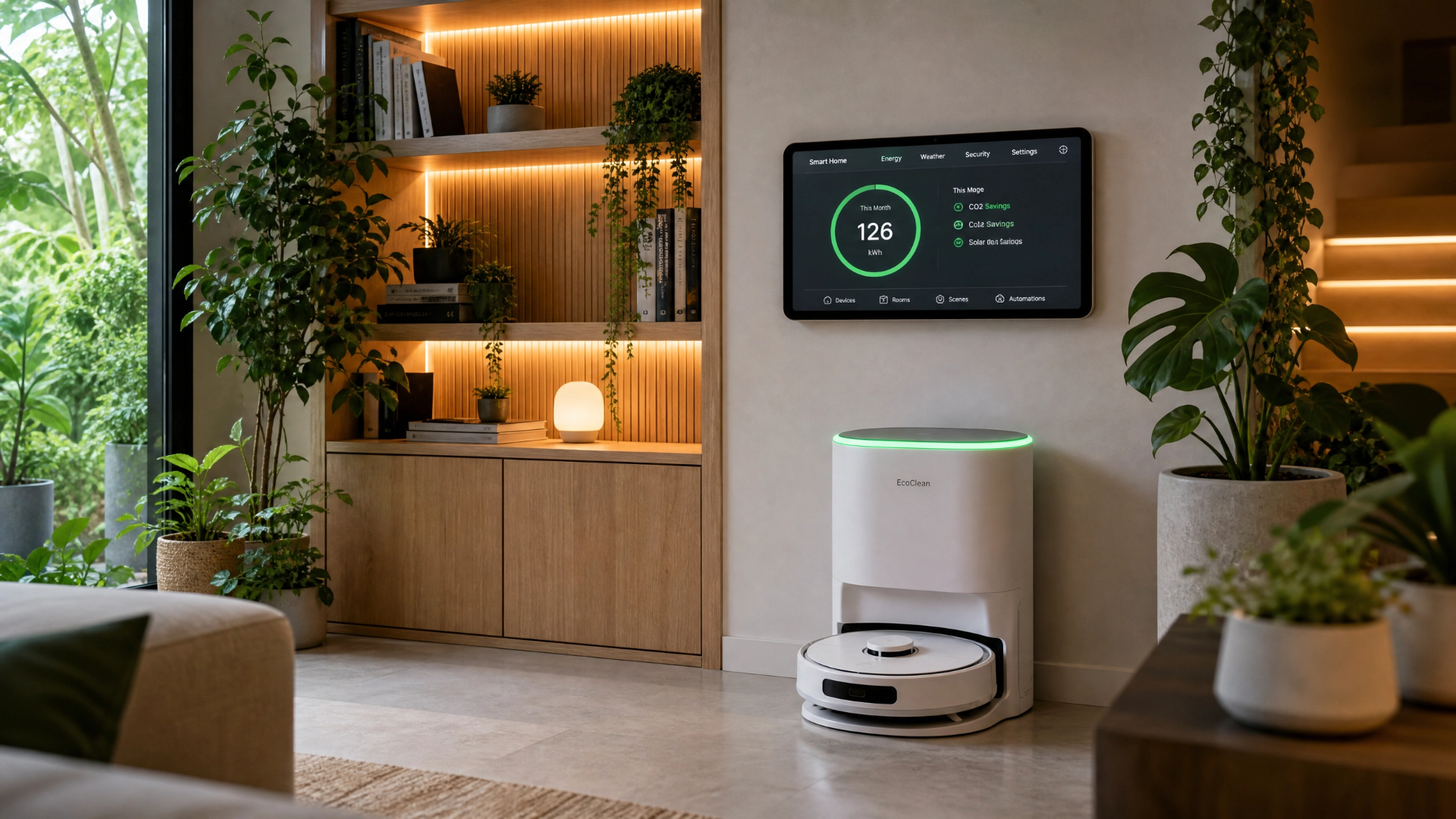
Consumers in 2026 are not just looking for smart devices; they want sustainable ones. A recent consumer survey revealed that 68% of buyers prioritize sustainability and energy efficiency when selecting robot vacuums. Manufacturers are responding by using recyclable plastics, biodegradable packaging, and energy-efficient motors with fast-charging technology to reduce environmental impact.
The Dark Side: AI Privacy Concerns
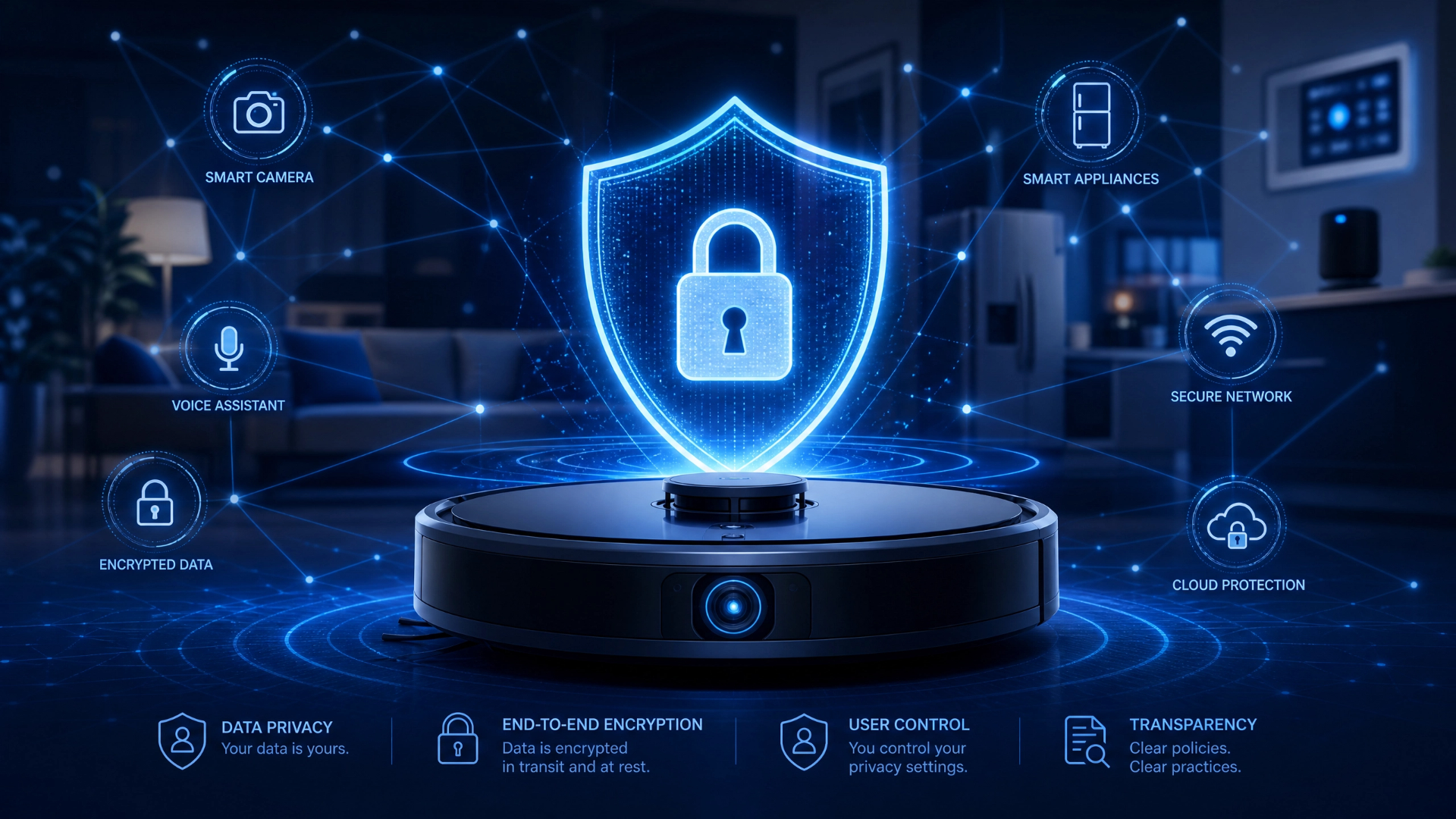
With great intelligence comes great responsibility—and potential privacy risks. As robot vacuums become smarter and more reliant on cameras and cloud connectivity, data privacy has become a significant concern for consumers.
What Does Your Vacuum Know About You?
Modern AI vacuums map the exact layout of your home, recognize objects, and sometimes even capture images or video to improve obstacle avoidance. While manufacturers claim this data is used solely for navigation and is processed locally or securely encrypted, the potential for data breaches or unauthorized surveillance is a valid worry.
Protecting Your Privacy
- Opt for Local Processing: Choose models that process AI data on the device rather than uploading it to the cloud.
- Disable Cameras: If your vacuum has a camera for obstacle avoidance, check if it can be disabled in the app settings.
- Consider Non-Connected Models: For the ultimate privacy, consider vacuums that do not connect to the internet or require an app, though you will sacrifice many smart features.
Conclusion: Is the Future Here?
The future of AI vacuum cleaning is undeniably exciting. With stair-climbing abilities, unprecedented cleaning power, and intelligent navigation, the robot vacuums of 2026 are closer than ever to fully autonomous home maintenance. However, as these devices become more integrated into our lives, balancing convenience with privacy will be crucial.